
About the Instructor
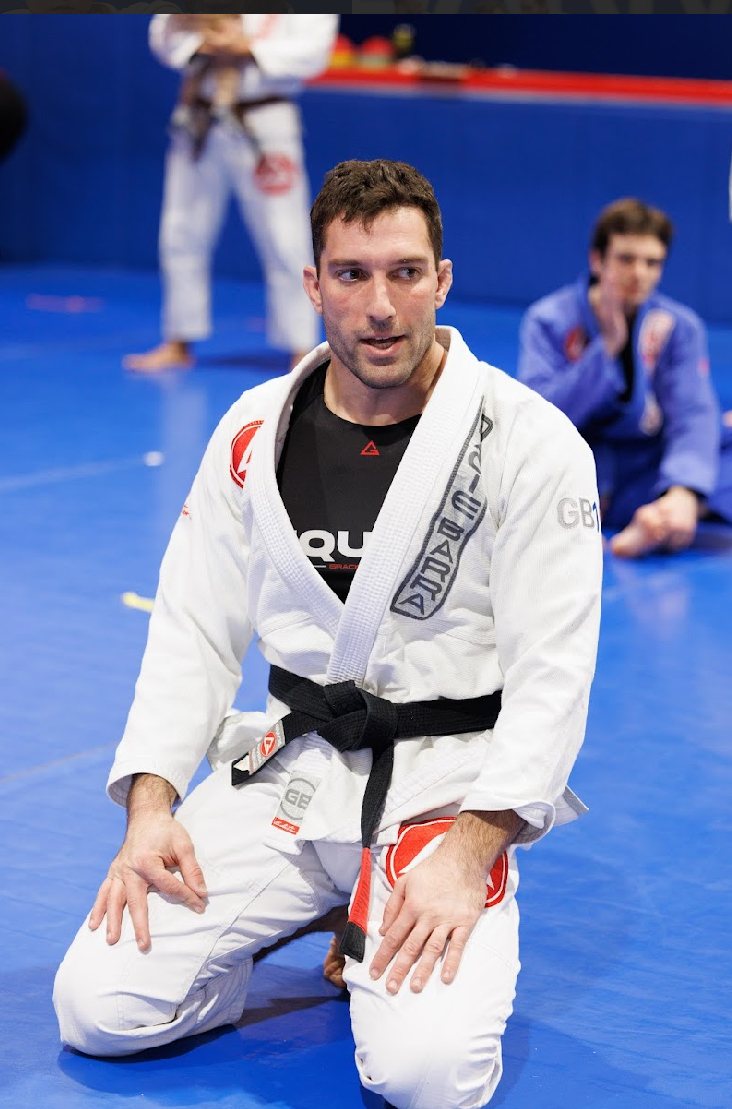
Matt Spica
- Brazilian Jiu-Jitsu Black Belt
- Certified SafeWrap instructor
- Northern Illinois
Matt Spica
Matt Spica is a Brazilian Jiu-Jitsu Black Belt and a certified SafeWrap instructor. He founded CTC Restraint Training to help organizations adopt a clearer, more controlled approach to restraint. One that's built on the principles of Jiu-Jitsu and prioritizes early control and better outcomes for everyone involved.
Why both credentials matter
High-level grappling develops a practical understanding of how bodies create force, lose it, and how that exchange of energy can be managed under stress. SafeWrap's foundation is jiu-jitsu, but with clear boundaries: no joint locks, no chokes, and no strikes. It establishes a lateral position of control designed for free breathing and a visible face.
The combination serves the philosophy of Confidence Through Control. Grappling experience makes the positions and grips honest and reliable. The invisible details of base, frames, hips, and grips take years to develop, and Matt focuses on translating that understanding into clear, approachable instruction. His goal is an environment where participants feel challenged, supported, and able to apply the system with confidence.
What CTC delivers
Maximize Control, Minimize Risk
Three outcomes. They are the reason an organization brings the training in.
01
Reduce Friction
Control arrives before the chaos. De-escalation is the first priority. If restraint becomes required, staff are trained to communicate and establish control of the situation. The encounter is less likely to turn into a fight with the person, the team, or the public record.
02
Improve safety
The takedown is controlled, the hold is lateral. No joint locks, no chokes, and no strikes. Breathing, the airway, and the face stay available, so the risk drops for the person being held and for the people holding them.
03
Deliver an ROI
Fewer injuries, cleaner events, and a method staff can reproduce. The return is practical: lower risk, better control, and less of the cost that follows a situation that went wrong.